
Optimal Timing for Tree Removal
Timing is a critical factor in tree removal projects. The optimal time depends on various environmental and biological factors to ensure safety, health of surrounding vegetation, and efficient work processes.
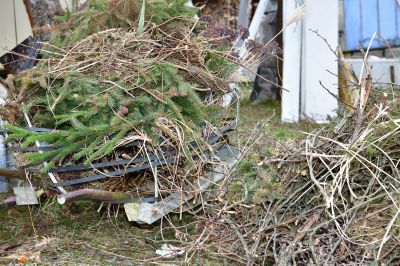
Spring offers moderate weather conditions, but tree removal may interfere with budding and growth cycles.
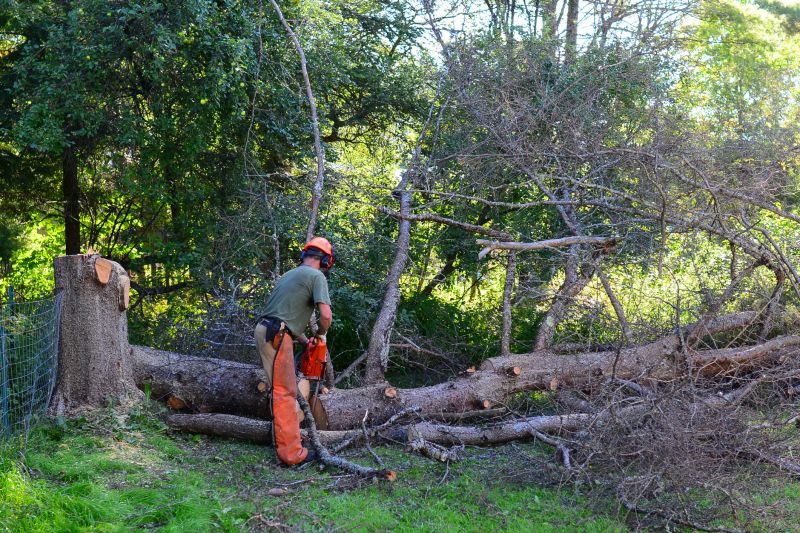
Summer provides longer daylight hours and warm weather, ideal for certain removal projects, though heat can pose challenges.
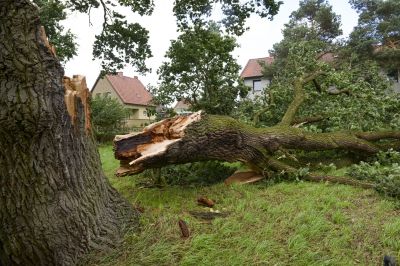
Fall is often preferred due to cooler temperatures and trees being in dormancy, reducing stress on remaining vegetation.
Ways to make Tree Removals work in tight or awkward layouts.
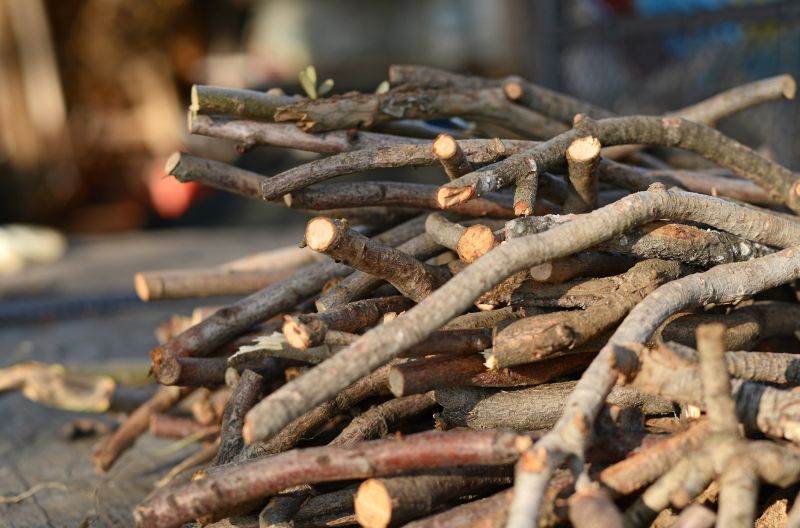
Popular materials for Tree Removals and why they hold up over time.
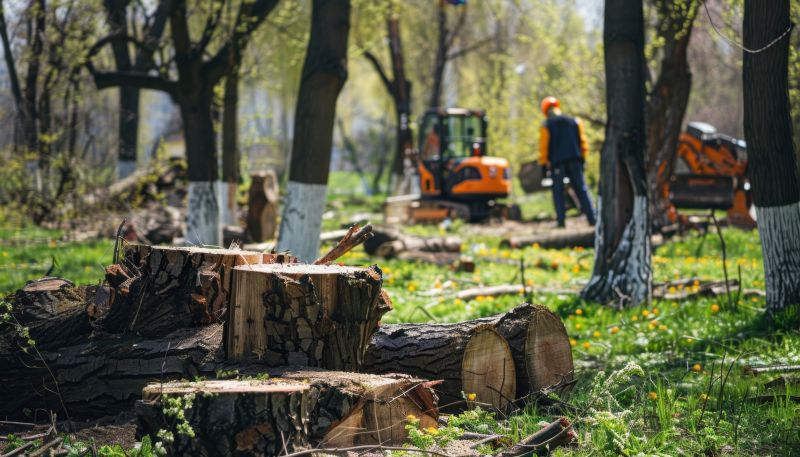
Simple add-ons that improve Tree Removals without blowing the budget.
Tree removal timing impacts not only safety but also the health of the landscape. During dormancy in late fall and winter, trees are less active, making these seasons suitable for removal with minimal impact on surrounding flora. Conversely, removing trees during active growth periods can lead to increased stress and potential disease susceptibility.
Winter is often considered the best time for tree removal due to trees being dormant and ground conditions being frozen, which eases equipment movement.
Spring removals should be planned carefully to avoid disrupting budding and flowering cycles.
Seasonal weather patterns influence the safety and efficiency of tree removal operations.
Avoid removal during heavy rain or storms to minimize risks and soil disturbance.
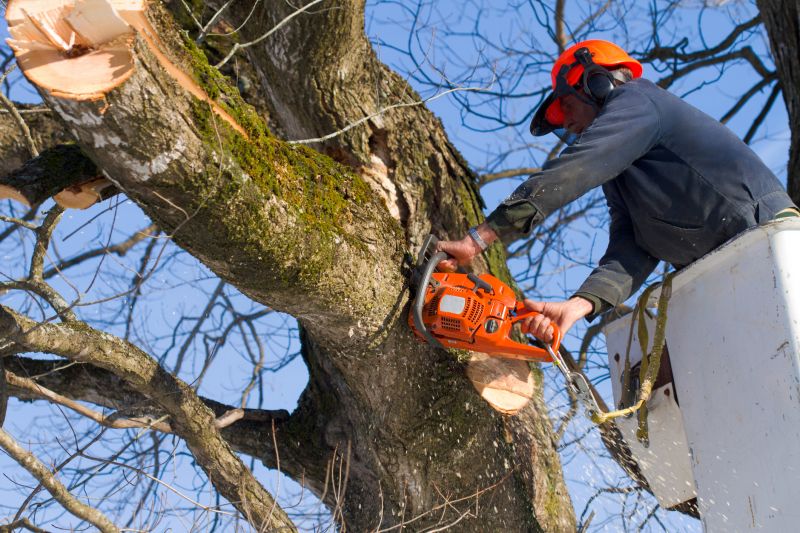
Specialized tools facilitate safe and efficient removal.
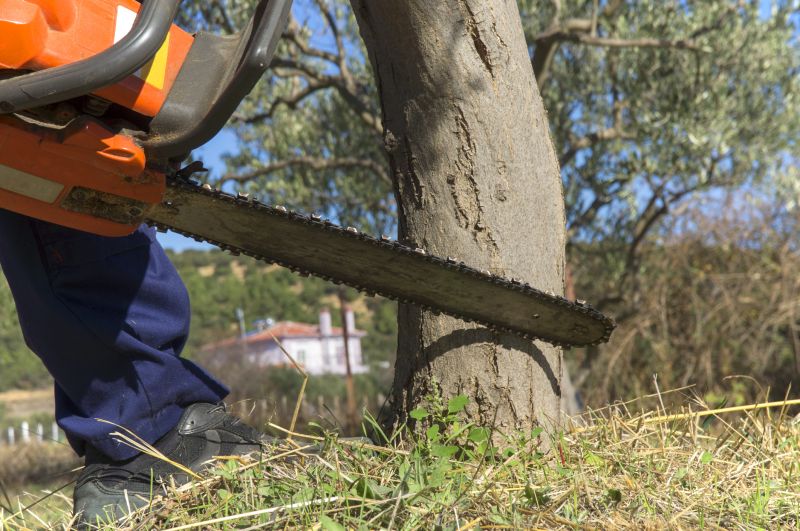
Proper techniques ensure safety and minimize landscape damage.
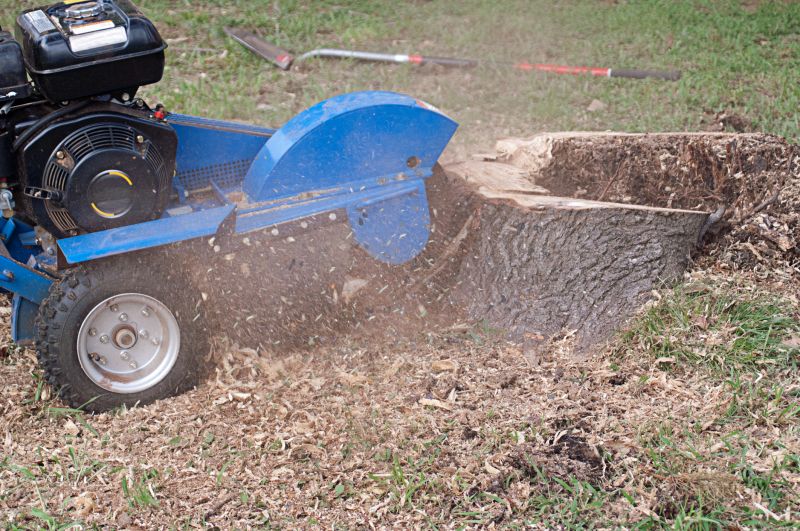
Post-removal stump grinding is an important step in landscape restoration.
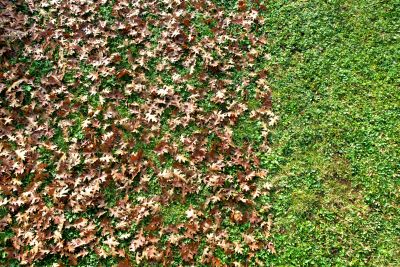
Visual representation of trees in different seasons.
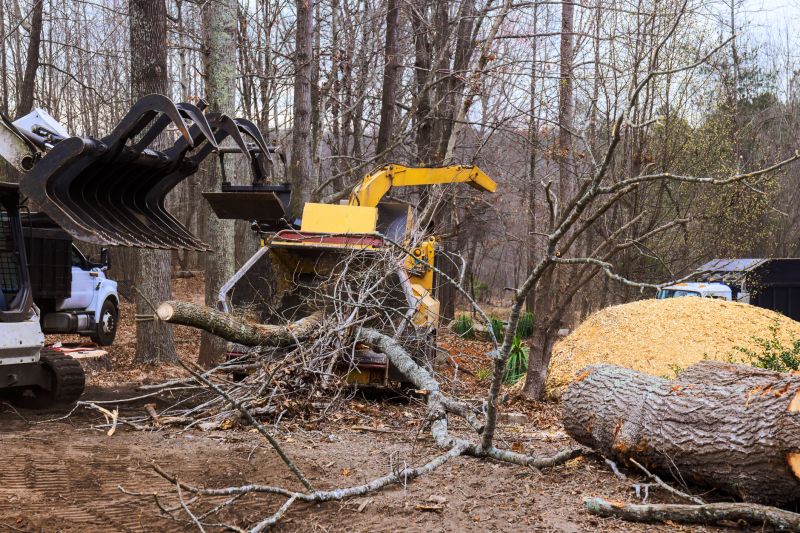
Winter conditions provide stable ground for heavy equipment.
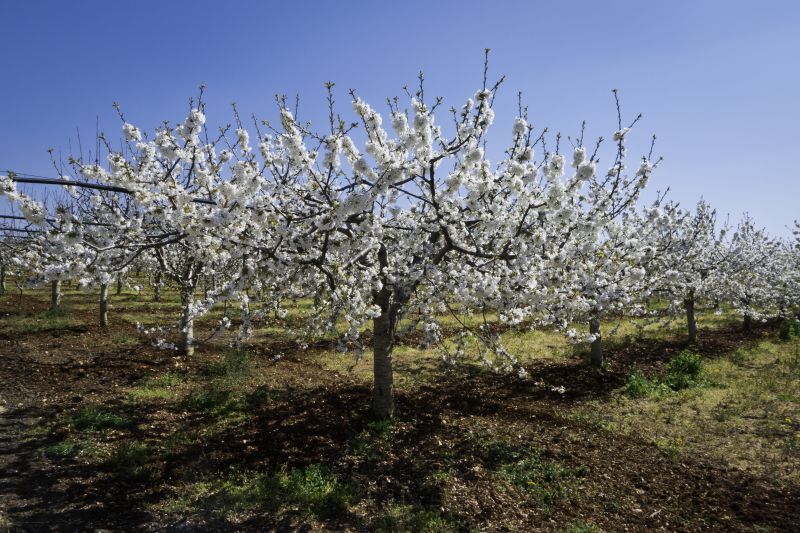
Trees in full bloom during spring.
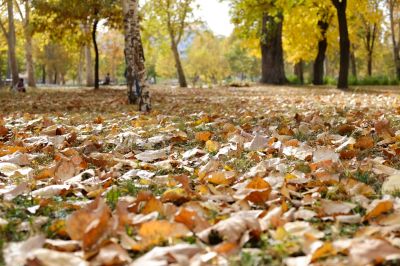
Colorful fall foliage indicating dormancy period.
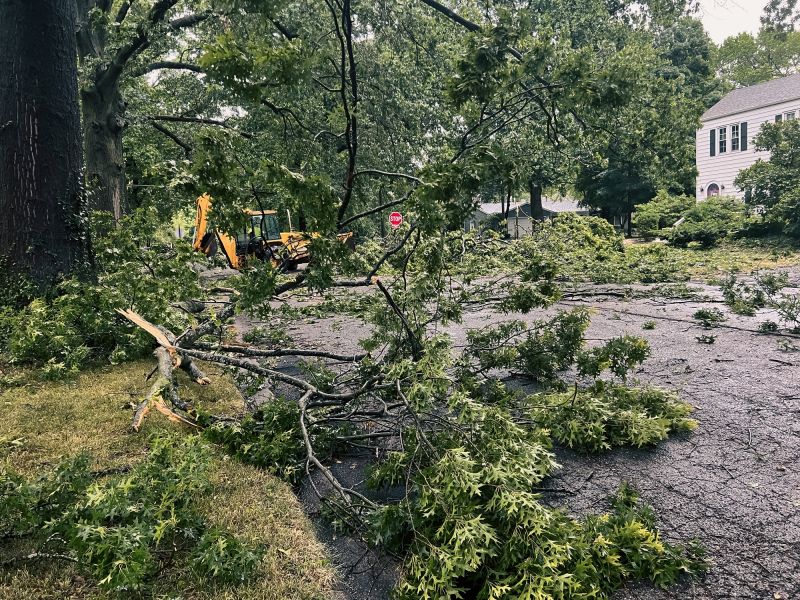
Trees affected by storms may require urgent removal.
| Season | Optimal for Tree Removals |
|---|---|
| Winter | Yes, due to dormancy and frozen ground |
| Spring | Yes, with careful planning to avoid disrupting growth |
| Summer | Possible, but weather and heat can complicate operations |
| Fall | Ideal, trees are dormant and weather is cooler |
Understanding the seasonal timing of tree removals helps ensure safety, minimizes landscape impact, and promotes healthy regrowth of remaining vegetation. In Wisconsin, winter is often the preferred season due to frozen ground and reduced foliage, which simplifies logistics and reduces risks.
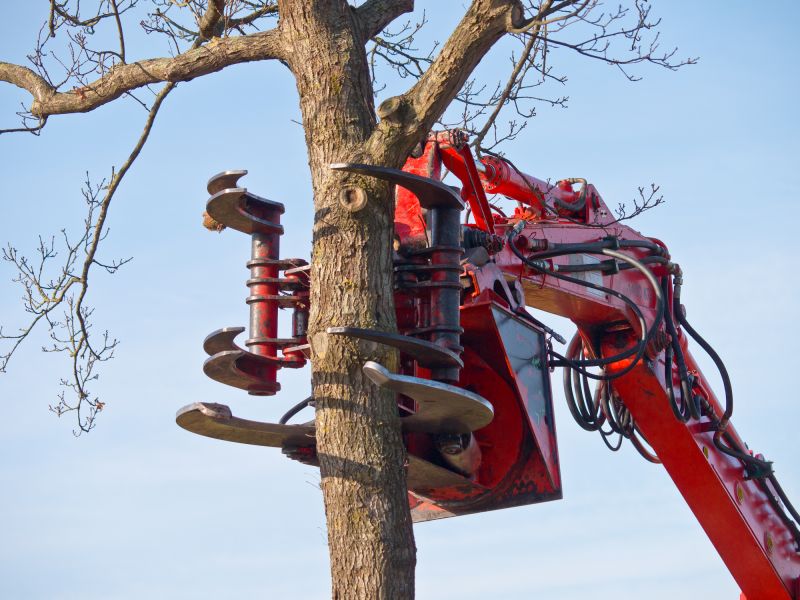
Frozen ground facilitates equipment movement and reduces soil disturbance.
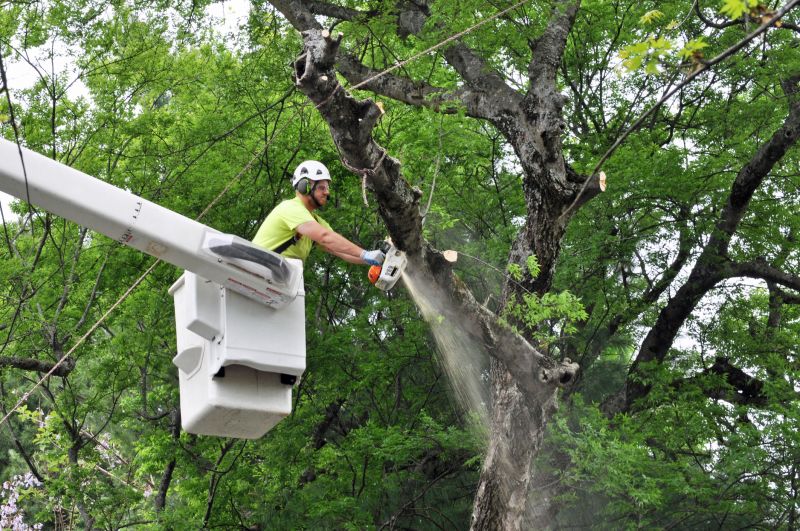
Trees begin active growth, requiring careful timing for removal.
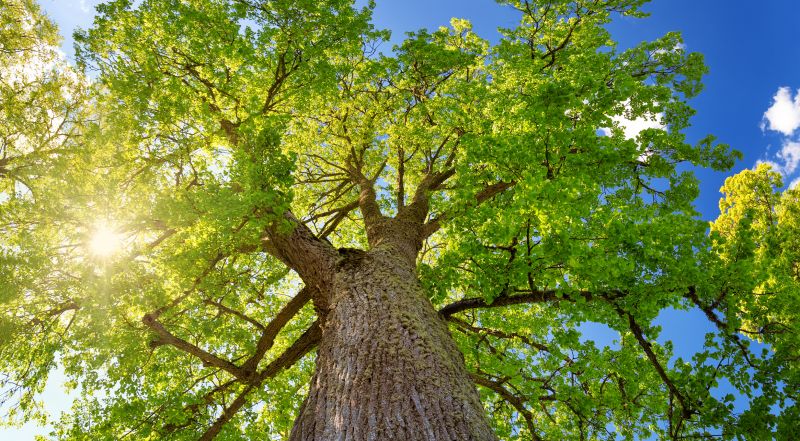
High temperatures and storms can hinder removal efforts.
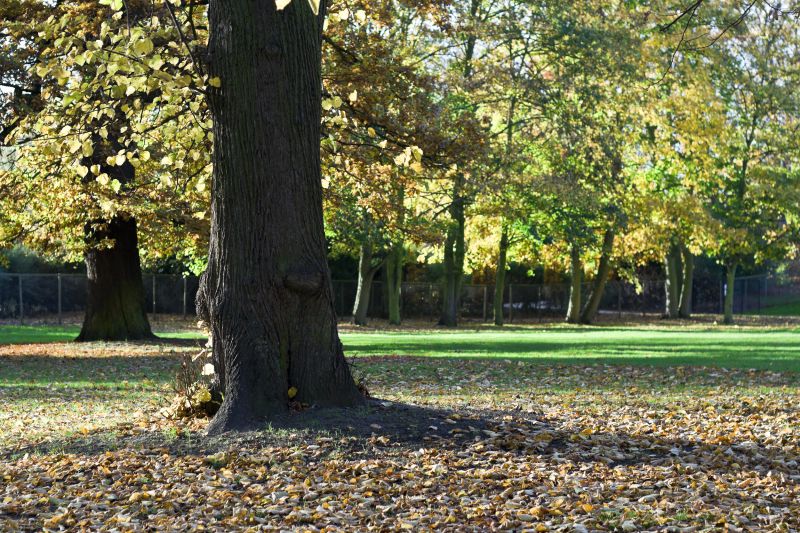
Trees enter dormancy, making fall ideal for removals.
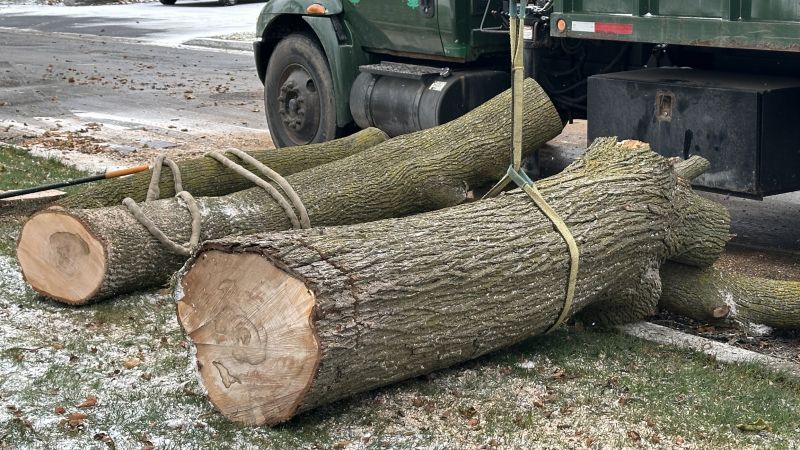
High-end options that actually feel worth it for Tree Removals.
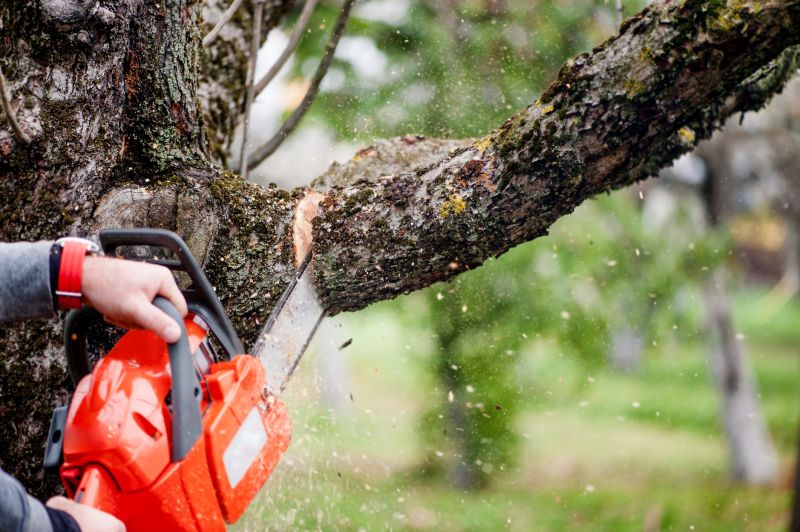
Finishes and colors that play nicely with Tree Removals.
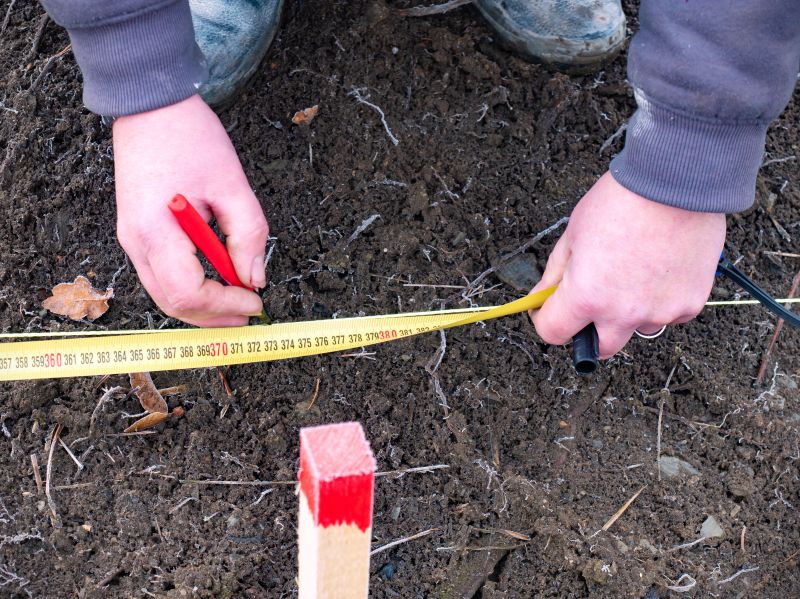
Little measurements that prevent headaches on Tree Removals day.
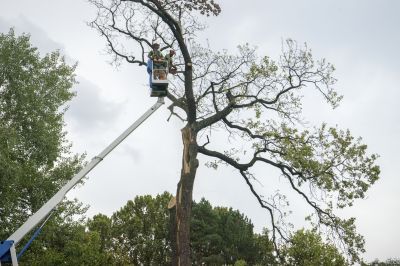
A 60-second routine that keeps Tree Removals looking new.
Interested in scheduling a tree removal? Filling out the contact form can provide more information and help plan the optimal timing for specific needs. Proper timing ensures safety and landscape health.