
Expert Picks For Tree Removal Tools and Equipment
Discover essential products that ensure safe, effective, and hassle-free tree removal processes for various project sizes.
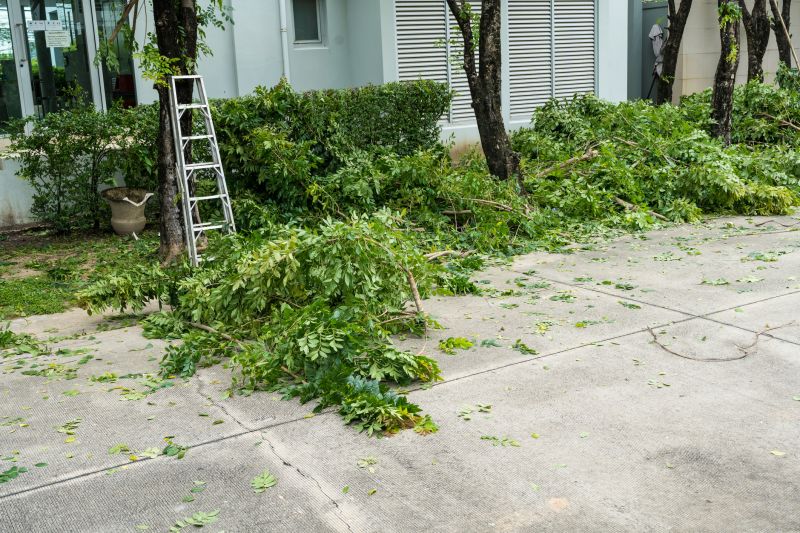 When it comes to removing trees safely and efficiently, having the right equipment is essential. Tree removal products range from manual tools to powered machinery, each suited for different types of trees and removal scenarios. Proper selection ensures safety, minimizes damage to surrounding property, and makes the process more manageable. In Oconomowoc, WI, where residential and commercial properties often feature mature trees, choosing the appropriate tools can significantly impact the success of a removal project.
Top Overall Option
Power Chainsaw
A versatile and powerful chainsaw is often considered the core tool for tree removal. It offers the capacity to cut through large trunks and limbs efficiently, making it suitable for various removal scenarios. When choosing a chainsaw, look for features such as adjustable chain tension, safety features, and ergonomic design to enhance comfort and control during use.
Types of Products For Tree Removals
Manual Pruning Saw
Ideal for trimming small branches and detailed pruning work, manual pruning saws offer precision and control without power requirements.
Gas-Powered Chainsaw
A common choice for larger tree removal tasks, gas-powered chainsaws provide mobility and power for cutting through thick trunks and branches.
Electric Chainsaw
An electric chainsaw offers quieter operation and ease of use, suitable for moderate tree removal tasks and trimming.
Pole Saw
Designed for reaching high branches safely, pole saws extend your reach and are useful for trimming or removing tall limbs without a ladder.
Stump Grinder
Used after felling a tree, stump grinders help in removing the remaining root structure to prevent regrowth and hazards.
Tree Climbing Gear
For professional arborists, climbing gear such as harnesses and spikes provides safe access to high branches and difficult areas.
Limbing Jacks
Limbing jacks assist in controlling fallen limbs during removal, ensuring safety and precision in the process.
Safety Helmets and Gear
Protective gear including helmets, gloves, and eyewear is crucial for safe tree removal operations.
Rope and Rigging Equipment
Used for controlling the fall of large branches or trees, rigging equipment ensures safe and controlled removals.
Chippers
Chippers help in converting branches and small trunks into mulch, facilitating cleanup after pruning or trimming.
Aerial Lift Platforms
Aerial lifts provide stable access to high branches, especially in tight or delicate environments.
Log Splitters
For processing felled trees into manageable logs, log splitters are useful in the cleanup process.
Tree Removal Dollies
Dollies assist in transporting fallen branches and smaller tree sections for disposal or processing.
Debris Bags
Heavy-duty bags for collecting and hauling away branches and debris after tree work.
Hydraulic Tree Shears
Used with excavators, hydraulic shears help in cutting and removing large tree sections efficiently.
Popular Choices
A portable and convenient option for smaller tree tasks and trimming around the property.
Combines power and reach, ideal for trimming high branches without ladders.
Designed for professional or serious DIY use, capable of handling large trees and frequent use.
Great for quick trimming of smaller branches and limbs at accessible heights.
A smaller, portable stump grinder suitable for residential use and smaller stumps.
Provides extended reach for high branches, reducing the need for climbing or ladders.
Trusted by professionals for safe and efficient tree climbing and trimming.
A versatile tool for detailed pruning, shaping, and trimming of trees and shrubs.
Strong, durable ropes used for rigging and controlling the fall of large branches.
Helps in converting branches into mulch, simplifying cleanup after pruning.
Provide stable elevation for high branch work, especially in tight spaces.
Heavy machinery equipped with shears for removing large trees and sections efficiently.
Manual tools such as pruning saws and hand saws are useful for smaller branches and delicate trimming tasks. For larger tree sections, chainsaws are the most common equipment, offering the power needed to cut through thick trunks and limbs. When dealing with substantial trees, especially those close to structures or power lines, specialized equipment like pole saws and telescoping chainsaws can extend reach and improve safety.
For professional-grade removals, equipment like stump grinders and crane-assisted systems are often employed. Stump grinders help in removing the remaining root structure after the main tree has been felled, preventing future growth or hazards. Cranes and lifting systems are invaluable for removing large trees in confined spaces or near structures, providing stability and control during the process. Safety gear such as helmets, gloves, and protective eyewear also plays a critical role in ensuring safe operations.
Choosing the right products for tree removal depends on several factors including the size of the trees, the location, and the complexity of the removal. Proper planning and selecting suitable tools can make the process smoother and safer. Whether for DIY projects or professional arborist services, understanding the available equipment options helps in making informed decisions tailored to specific needs and environments.
Key Buying Considerations
- Tree size and trunk diameter to determine the necessary power and size of equipment.
- Location and accessibility, including whether equipment can reach high branches or confined spaces.
- Frequency of use, to decide between manual tools and powered equipment.
- Safety features such as anti-vibration handles, safety switches, and protective gear compatibility.
- Ease of operation and ergonomic design to reduce fatigue during extended use.
- Power source preferences—cordless, electric, or gas—based on convenience and power needs.
- Environmental conditions, including weather and terrain, which can affect equipment choice.
- Disposal options for debris, such as chippers or hauling capacity.
- Budget constraints and long-term investment in quality equipment.
- Compatibility with existing tools and accessories for seamless operation.
- Local regulations or permits required for certain types of machinery or tree removal methods.
- Availability of replacement parts and service support in the Oconomowoc, WI area.
- Level of professional expertise required to operate the equipment safely and effectively.
- Weight and portability, especially for manual or lightweight powered tools.
- Noise levels, particularly if working in residential areas with noise restrictions.
This content contains affiliate links. We may earn a commission if you make a purchase through these links, at no additional cost to you.